Common Welding Mistakes And How To Avoid Them
Metal fabrication often looks straightforward from a distance, yet anyone who has worked with sheet metal knows how quickly small errors can escalate into costly rework or structural risk. For those exploring
welding Gold Coast solutions or simply refining their own welding tips, understanding common mistakes is the difference between a clean, durable finish and a compromised result. This article unpacks where things typically go wrong, how those issues affect safety and longevity, and why professional welding services play a critical role in getting it right the first time.
Inconsistent Heat Control Leads To Weak Joints
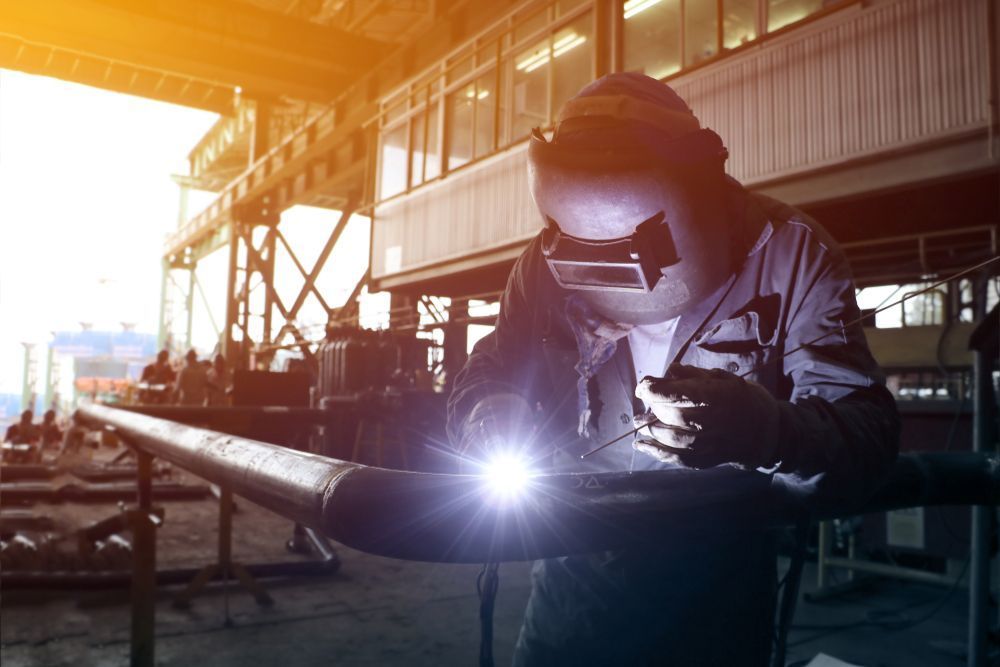
Heat management sits at the core of every successful weld, yet it’s one of the most common areas where mistakes occur: too much heat can warp thin metal sheets, while too little results in weak penetration. A poorly controlled arc doesn’t just affect appearance, it directly impacts structural strength and reliability. Beginners often struggle to maintain consistent temperature, especially across longer seams or varying material thicknesses.
The most common heat-related issues include:
- Warping and distortion of thin materials
- Burn-through on delicate sheet metal
- Lack of fusion between joined surfaces
- Uneven bead formation
Professional welding services use calibrated equipment and refined techniques to maintain consistent heat, ensuring strong, uniform welds across all applications.
Incorrect Material Preparation Causes Hidden Failures
Surface preparation is often underestimated, yet it determines how well the weld bonds to the base material: contaminants like oil, rust or paint can weaken the joint without being immediately visible. Even a technically sound weld can fail prematurely if the surface hasn’t been properly cleaned or prepared. This is particularly critical in sheet metal work where tolerances are tight.
Key preparation mistakes often include:
- Welding over rust or oxidation
- Leaving grease or residue on surfaces
- Skipping edge preparation for thicker joins
- Poor fit-up between metal pieces
Experienced welders prioritise preparation as part of the process, ensuring every joint starts with clean, properly aligned materials.
Poor Technique Creates Structural Vulnerabilities
Technique influences everything from bead consistency to penetration depth, making it a major factor in weld quality: incorrect angles, inconsistent speed or improper electrode handling can all lead to defects. While many beginners focus on completing the weld, the method itself determines whether the joint will hold under stress.
Typical technique-related errors include:
- Inconsistent travel speed leading to uneven welds
- Incorrect torch or electrode angle
- Excessive spatter due to poor control
- Overlapping or undercutting the weld bead
Professional welders refine their technique through experience, delivering consistent, high-quality results that stand up to both load and time.
Using The Wrong Welding Method For The Job
Not all welding techniques are suitable for every application, especially when working with thin sheet metal: choosing the wrong method can result in excessive heat input or poor control. Different projects require different approaches, and selecting the wrong one often leads to inefficiencies or compromised outcomes.
Common mismatches include:
- Using stick welding on thin materials
- Selecting MIG instead of TIG for precision work
- Applying high-amperage methods to delicate components
- Ignoring material-specific requirements
Professional welding services assess each project carefully, matching the method to the material, thickness and intended use.
Lack Of Proper Joint Design Reduces Strength
Joint design is often overlooked in favour of speed, yet it directly impacts the integrity of the finished weld: poorly designed joints can concentrate stress and lead to premature failure. Even with good technique, a flawed joint design limits the effectiveness of the weld.
Frequent design issues include:
- Insufficient joint clearance
- Incorrect joint type selection
- Poor alignment of components
- Ignoring load distribution requirements
Skilled welders incorporate proper joint design into every project, ensuring the weld supports both structural and functional demands.
How Welding Errors Affect Safety & Longevity
Mistakes in welding don’t just affect appearance, they can have serious consequences for safety and durability: weak joints can fail under pressure, posing risks to both people and equipment. Over time, even minor defects can worsen, especially in environments exposed to stress, vibration or corrosion.
The long-term impacts of poor welding include:
- Structural failure under load
- Increased risk of cracking and fatigue
- Reduced lifespan of components
- Higher maintenance and repair costs
Professional welding services minimise these risks by ensuring every weld meets strict quality and safety standards.
When Minor Defects Turn Into Major Repairs
Small welding flaws often go unnoticed at first, yet they can escalate quickly into significant problems: what starts as a minor imperfection can compromise the entire structure over time. This is particularly relevant in commercial and industrial settings where reliability is critical.
Common escalation scenarios include:
- Hairline cracks expanding under stress
- Corrosion developing at weak weld points
- Misaligned components causing operational issues
- Rework costs exceeding initial project budgets
Engaging experienced welders early helps prevent these issues, saving time and reducing long-term expenses.
Knowing When To Call A Professional Welder
While some welding tasks may seem manageable, certain situations demand professional expertise: complex projects, structural applications or precision work require more than basic skills. Recognising when to step back and bring in professionals can protect both the project and those involved.
Situations where professional welding services are essential include:
- Structural or load-bearing components
- Thin sheet metal requiring precision control
- Projects with strict compliance or safety standards
- Repairs involving critical equipment or infrastructure
Professional welders bring specialised knowledge, equipment and experience that ensure the job is done correctly and safely.
Build Stronger Results With Expert Support
We at
Sheet Metal Improvements understand the challenges that come with achieving reliable, high-quality welds. Whether you’re managing a fabrication project or need precise
welding on the Gold Coast, our team delivers workmanship that prioritises safety, durability and performance.
Get in touch today to discuss your project or book a service that ensures your results are built to last.