Comparing Stainless Steel And Aluminium For Fabrication Projects

Sheetmetal Improvements & Design • June 18, 2026

Choosing the right material is one of the most important decisions in any fabrication project. Whether the goal is to create a durable industrial component, a food-grade processing system, architectural features or custom manufacturing equipment, the material selected will directly influence performance, lifespan, maintenance requirements and overall project cost.


Two of the most commonly used materials in modern fabrication are stainless steel and aluminium. Both offer distinct advantages, but they are designed to perform differently depending on the environment and application. Understanding the strengths and limitations of each material can help businesses, manufacturers and project managers make informed decisions that align with their operational requirements. For businesses seeking professional metal fabrication Gold Coast services, understanding the differences between stainless steel and aluminium is an important first step when planning a new project.

Understanding Stainless Steel and Aluminium

While both materials are widely used throughout the fabrication industry, they differ significantly in composition, strength, corrosion resistance and performance characteristics. Stainless steel is an iron-based alloy containing chromium, which helps create a protective surface layer that resists corrosion. It is known for its strength, durability and ability to perform well in demanding environments. Aluminium is a lightweight metal that naturally develops a protective oxide layer when exposed to air. It is valued for its low weight, corrosion resistance and ease of fabrication. Both materials can be fabricated into custom components, structures and equipment, but the most suitable choice often depends on the intended application.

Key Differences Between Stainless Steel and Aluminium

When comparing stainless steel vs aluminium, several important differences influence material selection.

Weight

One of the most noticeable differences is weight. Aluminium is significantly lighter than stainless steel, making it a popular choice when reducing overall weight is a priority. In many applications, aluminium weighs approximately one-third as much as stainless steel.


This can be beneficial for:


  • Transport equipment
  • Vehicle components
  • Aerospace applications
  • Portable structures
  • Architectural elements


Stainless steel’s additional weight can be advantageous when strength and structural stability are more important than weight reduction.

Strength

Stainless steel generally offers higher strength than aluminium. This makes it particularly suitable for projects that must withstand heavy loads, impact, constant use or demanding operating conditions.


Applications requiring high strength may include:


  • Industrial equipment
  • Structural components
  • Manufacturing facilities
  • Food processing systems
  • Commercial infrastructure


Although aluminium can still provide excellent strength relative to its weight, stainless steel is often selected where maximum durability is required.

Corrosion Resistance

Both materials provide corrosion resistance, but they perform differently depending on the environment. Stainless steel is highly resistant to rust and corrosion when the correct grade is selected. Certain grades perform exceptionally well in wet, chemical or high-contact environments. Aluminium also offers strong corrosion resistance through its natural oxide layer. However, some environments may place greater demands on the material over time.


Material selection should always consider:


  • Moisture exposure
  • Chemical exposure
  • Salt air environments
  • Cleaning requirements
  • Long-term maintenance expectations

Cost Considerations

Budget is often a key factor in fabrication decisions. Generally speaking, aluminium may offer lower material costs in some applications and can be easier to transport due to its lighter weight. However, project costs are influenced by far more than material pricing alone.


Factors affecting overall project costs include:


  • Material availability
  • Fabrication complexity
  • Welding requirements
  • Surface finishing
  • Transportation
  • Installation requirements
  • Expected service life


In some situations, stainless steel’s longer lifespan and reduced maintenance requirements may provide greater long-term value despite a higher initial investment. This is why experienced fabrication specialists evaluate the entire project rather than focusing solely on material purchase costs.

Fabrication and Manufacturing Differences

Both stainless steel and aluminium can be fabricated into highly customised products, but the manufacturing processes may differ. Aluminium is generally easier to machine, cut and form due to its softer nature. This can make it suitable for projects requiring intricate shapes or lightweight custom components. Stainless steel requires specialised fabrication expertise due to its strength and hardness. However, this same strength often contributes to superior long-term performance. Professional metal fabrication Gold Coast providers understand how to work with both materials and can recommend the most appropriate option based on project requirements.

Which Applications Are Better Suited for Aluminium?

Aluminium performs particularly well in applications where weight reduction is important without sacrificing durability.


Common aluminium applications include:


  • Vehicle components
  • Transport equipment
  • Marine applications
  • Architectural cladding
  • Signage systems
  • Lightweight frameworks
  • Aerospace components


The material’s lighter weight can improve efficiency, reduce transport costs and simplify installation in some situations.


Aluminium is also commonly selected when projects require:


  • Easier handling
  • Reduced structural load
  • Faster installation
  • Weight-sensitive engineering outcomes


For these reasons, aluminium remains a popular choice across many industries.

Why Stainless Steel Is Preferred in High-Contact Environments

Stainless steel is often the preferred material in environments where hygiene, durability and regular cleaning are critical.


Its smooth, non-porous surface helps make it suitable for applications where cleanliness and long-term performance are priorities.


High-contact environments commonly include:


  • Commercial kitchens
  • Food processing facilities
  • Healthcare environments
  • Pharmaceutical manufacturing
  • Hospitality venues
  • Public infrastructure


Stainless steel’s resistance to corrosion, staining and wear helps maintain both functionality and appearance over extended periods of use. In food-grade applications, stainless steel is often chosen because it can withstand frequent cleaning and sanitation processes while maintaining its structural integrity. This combination of hygiene and durability is one reason why stainless steel remains widely used across industries where surfaces experience constant interaction.

Maintenance Requirements

Maintenance expectations should also be considered when comparing stainless steel vs aluminium. Stainless steel generally requires minimal maintenance when properly fabricated and installed. Routine cleaning is often sufficient to maintain appearance and performance. Aluminium also offers relatively low maintenance requirements but may show cosmetic wear differently depending on environmental conditions and application type.


Factors that may influence maintenance include:


  • Exposure to weather
  • Contact with chemicals
  • Cleaning frequency
  • Physical wear
  • Environmental contaminants


Selecting the right material from the beginning can help reduce long-term maintenance demands and operating costs.

Durability and Service Life

Many fabrication projects are designed to operate for years or even decades. For this reason, durability is often a major consideration.


Stainless steel is widely recognised for its exceptional service life and resistance to wear in demanding environments. Its ability to withstand heavy use makes it a popular choice for commercial and industrial applications. Aluminium can also provide excellent longevity, particularly in applications where lightweight performance is beneficial and structural demands are lower.


When assessing durability, project planners should consider:


  • Environmental conditions
  • Load requirements
  • Cleaning processes
  • Frequency of use
  • Long-term operational demands


The best material is not always the strongest or the lightest. It is the one that best aligns with the project’s specific requirements.

How to Choose the Right Material for Your Project

There is no universal answer when choosing between stainless steel and aluminium. The right choice depends on the intended use, operating environment, performance expectations and budget.


Questions worth considering include:


  • Will the component be exposed to moisture or chemicals?
  • Is weight reduction important?
  • Does the project require maximum strength?
  • Will the material be used in a food-grade environment?
  • How important is long-term durability?
  • What level of maintenance is acceptable?


Working with experienced fabrication professionals helps ensure these factors are properly evaluated before manufacturing begins. Both stainless steel and aluminium play valuable roles across modern manufacturing and construction industries. While aluminium offers advantages in weight-sensitive applications, stainless steel continues to be the preferred choice for many high-contact, high-strength and hygiene-focused environments.

Reach Out to Learn More

At Sheet Metal Improvements, we provide custom metal fabrication Gold Coast businesses can rely on for commercial, industrial and specialised projects. Our team works closely with clients to assess project requirements and recommend suitable materials based on performance, durability and long-term value. To learn more about our stainless steel fabrication capabilities, visit our website and speak with our team about your next project.

By Sheetmetal Improvements & Design February 17, 2026
Sheet Metal Improvements provides professional sheet metal fabrication on the Gold Coast , delivering custom solutions for commercial and industrial projects. We work closely with builders, contractors, engineers and business owners to fabricate high-quality components that meet project specifications, timelines and Australian standards. From one-off custom fabrications to ongoing commercial supply, our team offers precision workmanship, reliable turnaround times and a practical, problem-solving approach. With experience across a wide range of industries, we understand the importance of accuracy, durability and clear communication at every stage of fabrication. If you’re looking for a trusted Gold Coast sheet metal fabricator to support your next project, our team delivers tailored outcomes backed by technical expertise and local knowledge.
Welder Working, Sparks Flying Dark Setting — Sheetmetal Improvements & Design in Burleigh Heads, QLD
By Sheetmetal Improvements & Design January 6, 2026
Find out which emergency repairs can be fixed same-day for welding on the Gold Coast. Get expert advice and fast solutions when you need them most.
Metal Box Structure on Wheels — Sheetmetal Improvements & Design in Burleigh Heads, QLD
By Sheetmetal Improvements & Design November 21, 2025
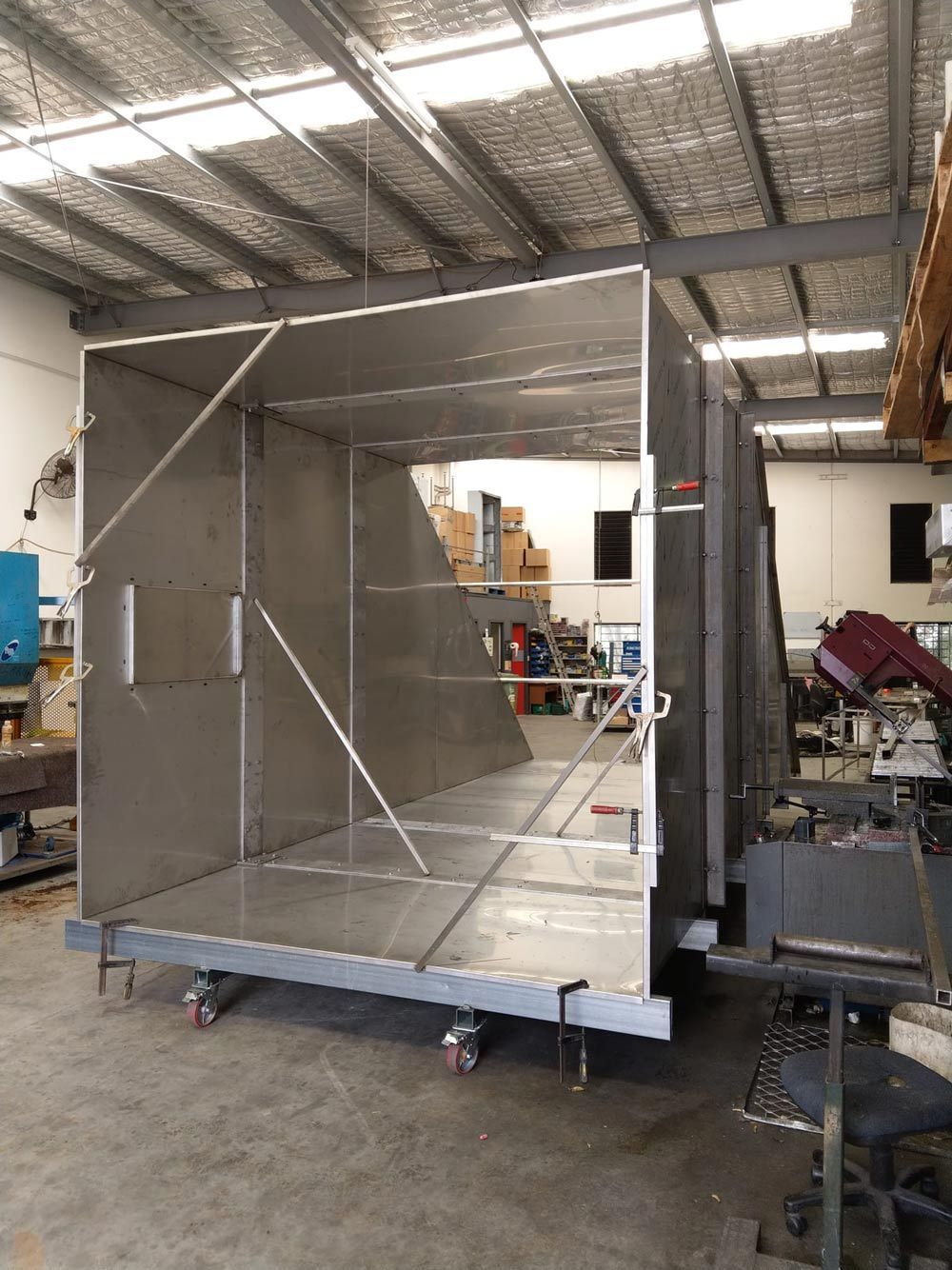
Choose custom sheet metal fabrication on the Gold Coast for better fit, strength and design. Discover how custom sheet metal improves your project.
Person Grinding Metal Frame — Sheetmetal Improvements & Design in Burleigh Heads, QLD
By Sheetmetal Improvements & Design September 10, 2025
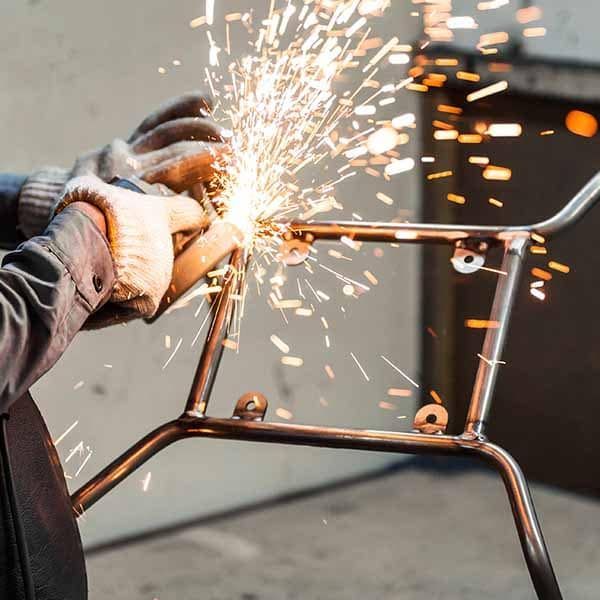
Discover mobile welding benefits for construction projects. Improve efficiency, ensure durability and save time with expert welding solutions.
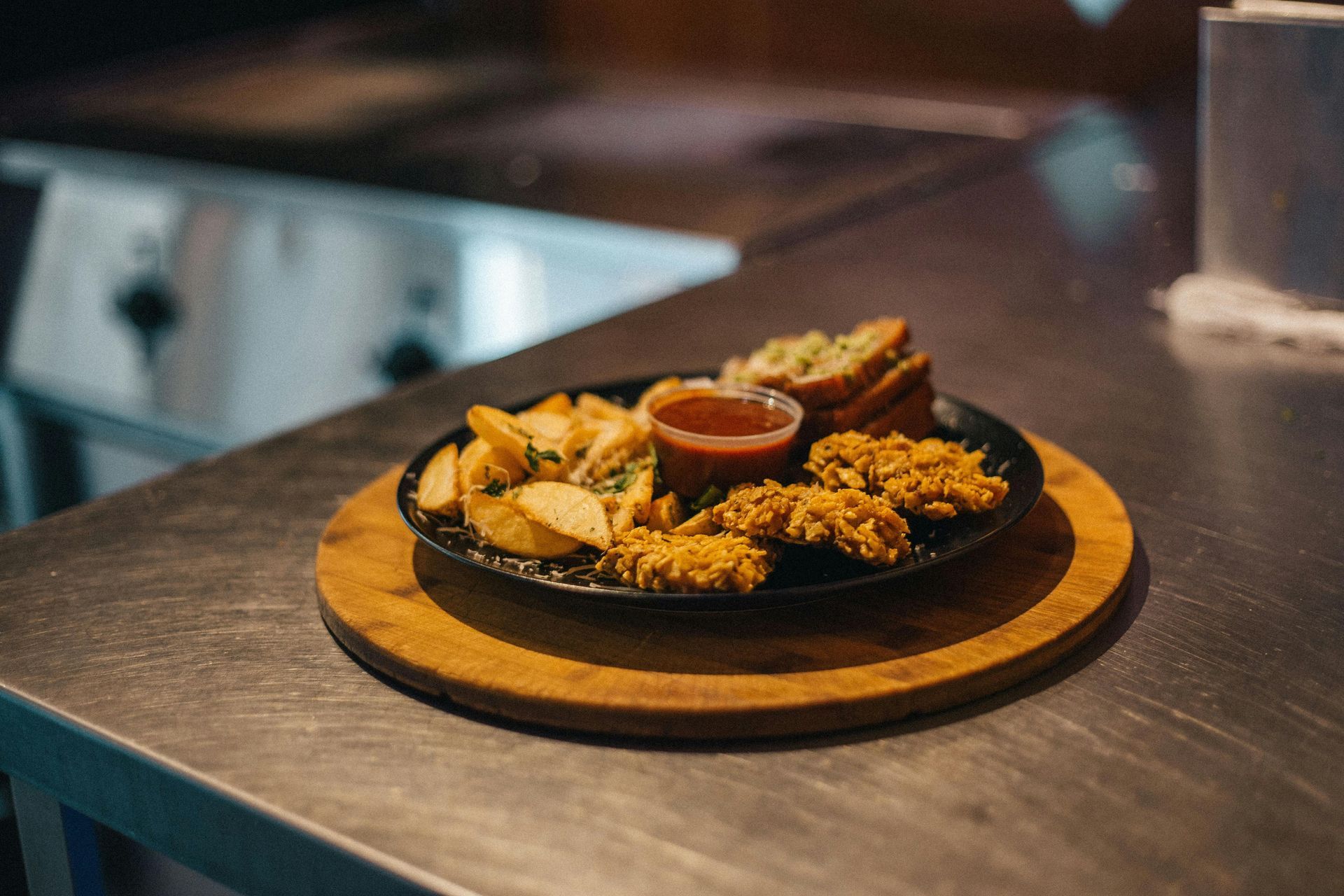
Plate of Fried Food With Dipping Sauce — Sheetmetal Improvements & Design in Burleigh Heads, QLD
By Sheetmetal Improvements & Design August 7, 2025
In this blog, we’ll explore why stainless steel kitchens remain the go-to for chefs, fit-out specialists, and food service operators on the Gold Coast.
Welder in Protective Gear — Sheetmetal Improvements & Design in Burleigh Heads, QLD
By Sheetmetal Improvements & Design July 28, 2025
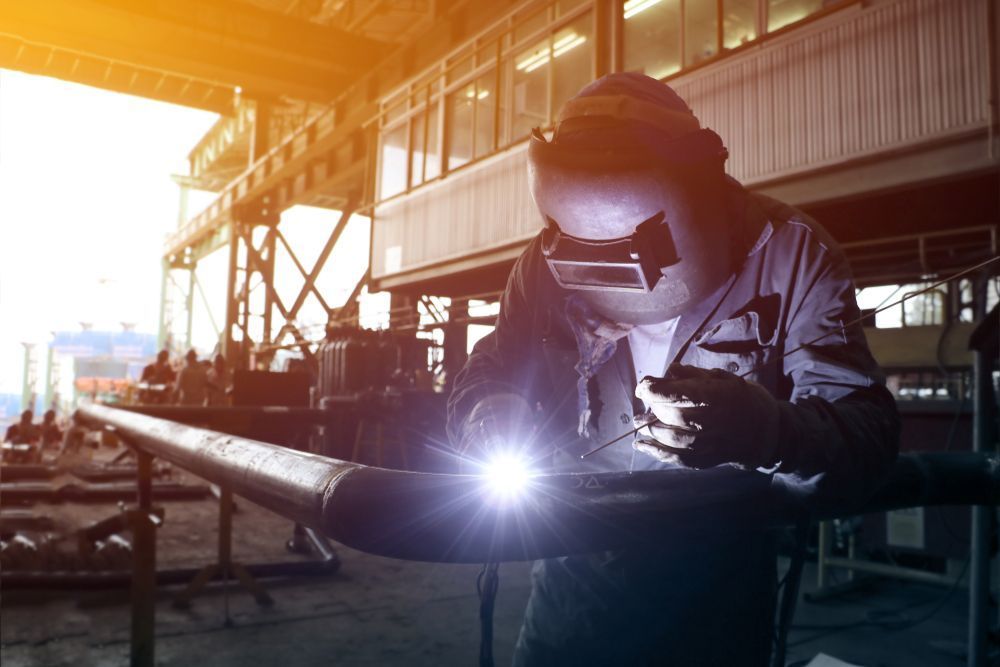
Hire a certified welder to ensure safety, precision and quality for your project. Discover the benefits and make the right choice today.

Skyscrapers in a City With a Sky Bridge — Sheetmetal Improvements & Design in Burleigh Heads, QLD
By Sheetmetal Improvements & Design July 1, 2025
In this blog, we’ll explore the advantages of using stainless steel in building construction, especially for structural frameworks in high-rise buildings.
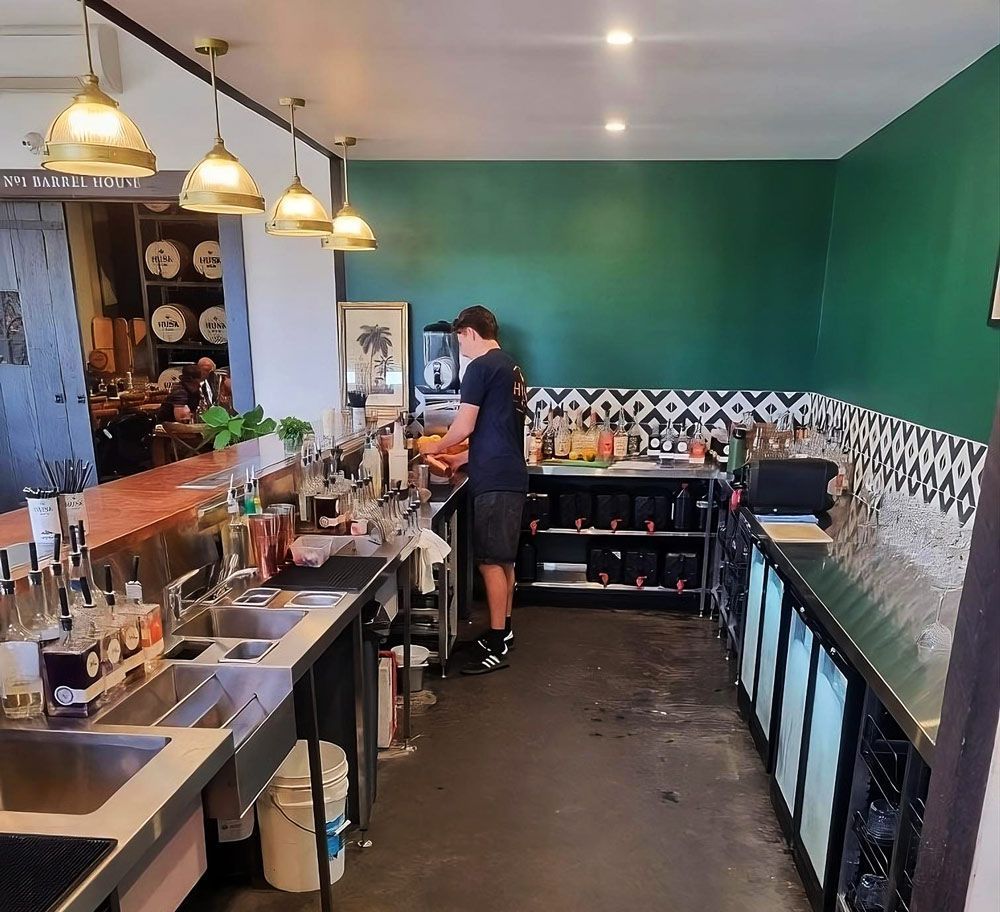
Interior of a Bar With a Person Preparing — Sheetmetal Improvements & Design in Burleigh Heads, QLD
By Sheetmetal Improvements & Design December 9, 2024
Stainless steel fabricators ensure hygiene, durability and efficiency in the food and beverage industry. Learn how they elevate standards today.
Metal Box-like Structure on Wheels — Sheetmetal Improvements & Design in Burleigh Heads, QLD
October 24, 2024
Explore the critical role of precision in stainless steel fabrication. Learn how accuracy impacts quality, safety, and cost-efficiency. Discover more today!
Stainless Steel Cart With a Tall Handle — Sheetmetal Improvements & Design in Burleigh Heads, QLD
By Sheetmetal Improvements & Design September 19, 2024
Discover how sheet metal fabrication supports renewable energy projects by enhancing durability and efficiency. Learn more today!
Show More