Top 5 Maintenance Tips For Stainless Steel Surfaces In Commercial Kitchens
Walk into any commercial kitchen at the start of a shift and the first thing you notice is the shine. By the end of service, that same bench might be covered in grease splatter, water spots and the faint haze of a hundred wipe downs with the wrong cloth.
Stainless steel maintenance isn't just about keeping things looking sharp for a health inspector, it's about protecting an investment that's meant to last decades, not years. Commercial kitchens push stainless steel surfaces harder than almost any other environment, with constant heat, moisture, acidic foods and heavy foot traffic all working against the metal's natural resilience. Getting the basics right, from cleaning frequency to the products you reach for, makes the difference between a bench that ages gracefully and one that pits, stains or corrodes long before its time. Good commercial kitchen care comes down to a handful of habits repeated consistently, rather than any single fix.
Why Daily Cleaning Habits Matter More Than You Think
Stainless steel doesn't need a lot of attention, but it does need consistency. Skipping a wipe down after a busy service allows food acids, salt and grease to sit on the surface, which is exactly when corrosion starts to take hold. A daily routine keeps the protective chromium oxide layer on the steel intact, so the metal can keep doing what it does best, resisting rust and staining under pressure.
A simple end of day routine should include:
- Wiping down all benches and equipment with warm water and a mild detergent
- Drying surfaces fully rather than air drying
- Checking joins and edges where food debris tends to collect
- Removing any spills before they have a chance to sit overnight
Which Cleaning Products Actually Belong In Your Kitchen
Not every cleaning product marketed as "kitchen safe" is safe for stainless steel. Bleach, chlorine based cleaners and anything containing chloride ions can quietly eat away at the protective layer on the metal, leading to pitting that's difficult to reverse. The safest approach is to stick with products designed specifically for stainless steel maintenance, paired with soft cloths rather than abrasive scourers.
When stocking your cleaning cupboard, look for:
- pH neutral or mild alkaline detergents
- Non-abrasive microfibre cloths or soft sponges
- Stainless steel specific polish for finishing touches
- Warm water as the default rinse, avoiding harsh chemical mixes
How Often Should Surfaces Be Cleaned And Polished
Cleaning and polishing serve different purposes, and mixing them up is a common mistake. Cleaning removes the daily build up of grime, while polishing restores the surface finish and adds a light protective layer that helps repel fingerprints, water and grease. Most commercial kitchens benefit from cleaning after every shift and a more thorough polish on a weekly basis, though high traffic prep areas may need it more often.
A practical polishing schedule looks like:
- Daily wipe downs with detergent and water
- Weekly polish on benches, splashbacks and equipment fronts
- Monthly deep clean of less visible areas like underbench framing
- Immediate spot treatment for any visible watermarks or fingerprints
Preventing Scratches Before They Start
Every scratch on a stainless steel surface is a tiny weak point where moisture and bacteria can gather, and over time these marks compound into a surface that looks tired no matter how much you clean it. Prevention comes down to the tools and habits used around the steel every day, not just the cleaning products themselves. Chopping directly on benches, dragging trays or using steel wool are the most common culprits behind avoidable damage.
Simple habits that protect the surface include:
- Always using cutting boards instead of chopping directly on steel
- Lifting rather than dragging pots, trays and equipment
- Avoiding steel wool or wire brushes on any surface
- Training staff on correct handling of benches and splashbacks
Spotting Corrosion Before It Becomes A Bigger Problem
Corrosion rarely appears overnight. It usually starts as small discoloured patches or a slight dulling in one section of a bench, often near a sink, drain or high moisture zone. Left unchecked, this can progress into pitting that compromises both the look and the hygiene of the surface. Regular visual checks, alongside a properly maintained ventilation system to reduce excess moisture, go a long way toward catching problems early.
Warning signs worth checking for include:
- Discoloured or rust coloured patches, particularly near water sources
- Small pitting marks that catch the light differently
- Persistent staining that doesn't lift with normal cleaning
- Rough patches where the surface used to feel smooth
The Role Of Grade Selection In Long Term Durability
Not all stainless steel is created equal, and the grade used in your kitchen fabrication plays a big part in how much maintenance is actually required. Grade 304 is common in commercial kitchens and performs well under normal conditions, while grade 316 offers extra resistance in areas exposed to higher moisture, salt or chemical contact. Choosing the right grade during fabrication reduces the maintenance burden significantly over the life of the installation.
Factors worth discussing with a fabricator include:
- The moisture and chemical exposure of the specific kitchen zone
- Whether equipment will be near coastal air or high salt environments
- Expected foot traffic and physical wear in the area
- Long term budget versus upfront cost of higher grade steel
Why Professional Fabrication Reduces Maintenance Down The Track
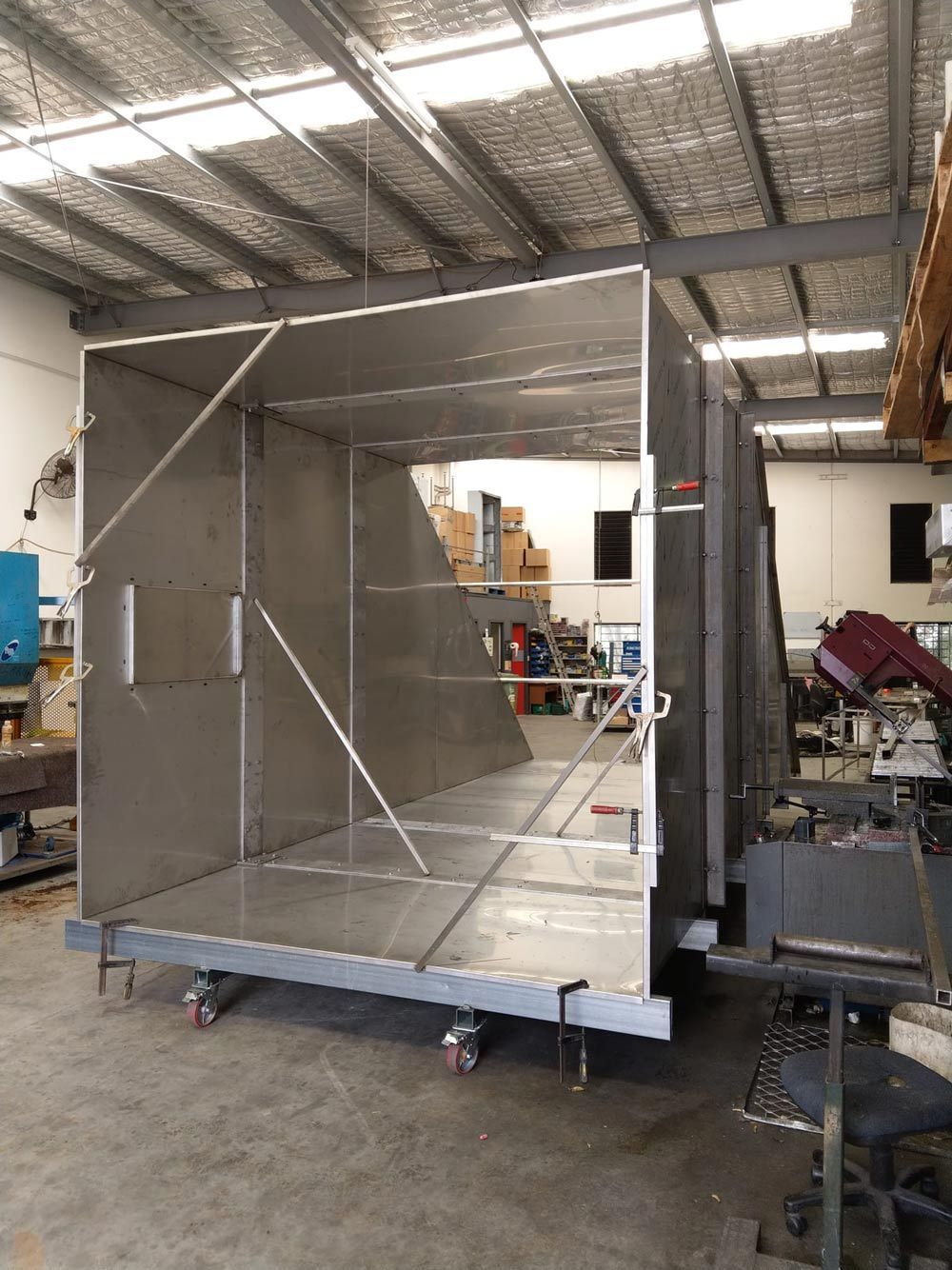
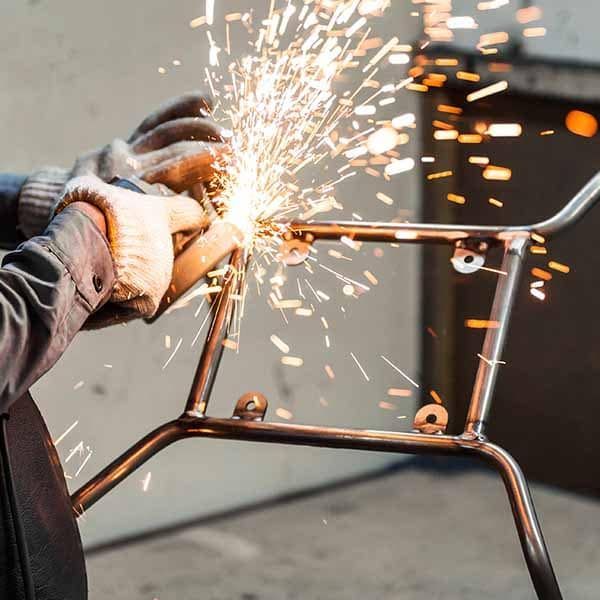
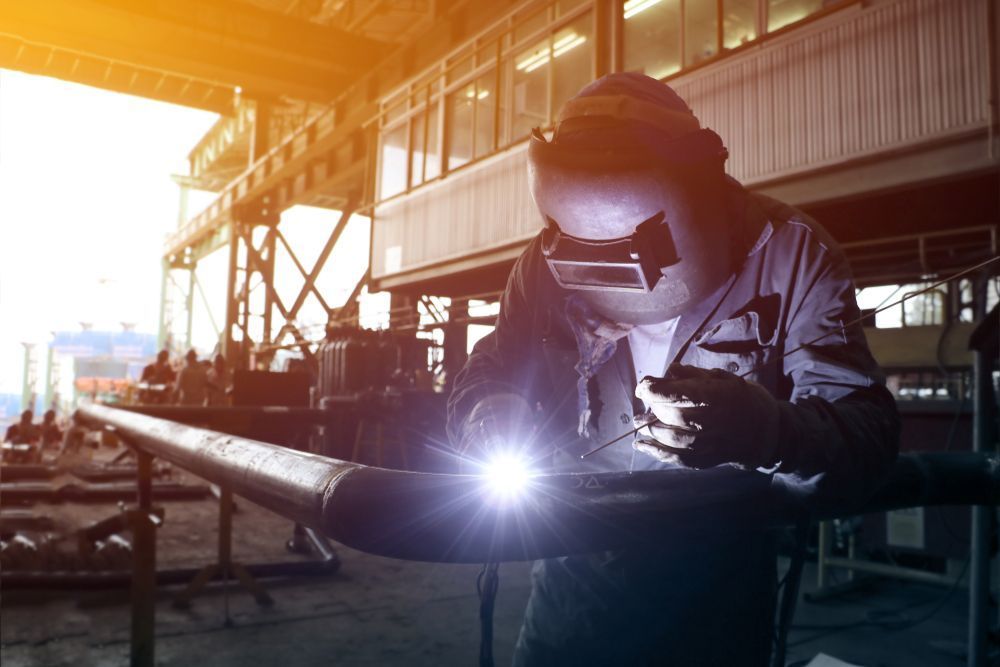
A well designed stainless steel installation is easier to maintain than one that's been poorly planned. Smooth welds, rounded edges and properly sealed joins all reduce the number of places where grime, moisture and bacteria can hide. Custom fabrication that accounts for the specific layout and workflow of a kitchen also means fewer awkward gaps or overlaps that are difficult to clean thoroughly.
Design features that support easier upkeep include:
- Seamless welds rather than exposed joins
- Rounded corners instead of sharp right angles
- Coved skirting where benches meet walls or floors
- Custom sizing that avoids unnecessary overlaps or gaps
Building A Maintenance Routine That Actually Sticks
Good stainless steel maintenance isn't a one-off task, it's a habit, and the best routines are the ones staff will actually follow because they're built into existing shift work rather than treated as an extra job. Assigning responsibility, using a checklist and reviewing the condition of surfaces periodically helps catch small issues before they turn into costly repairs or replacements, and it keeps commercial kitchen care consistent even as staff and shifts change.
A routine worth adopting includes:
- Assigning specific cleaning tasks to shift close procedures
- Using a simple checklist for daily, weekly and monthly tasks
- Reviewing surface condition during regular kitchen audits
- Reporting any damage or corrosion signs to management immediately
Get In Touch With Us
We at Sheet Metal Improvements & Design understand how much wear a commercial kitchen puts on stainless steel, having fabricated benches, splashbacks and equipment for kitchens across the Gold Coast for years. Whether you're maintaining an existing installation or planning a new fit out and want it built to handle the demands of daily service, our team can talk you through the right grade, finish and design for your space. Give us a call or book a consultation today to keep your kitchen running smoothly for years to come.