Marine Grade Aluminium for Gold Coast Salt Air: What to Specify
Salt air changes what matters in an aluminium project. If you’re planning boat parts, pontoon components or beachfront architectural elements, specify the alloy, fixings and finish together. At Sheet Metal Improvements, we provide
aluminum fabrication on the Gold Coast, including marine and coastal work, so we can help match those choices to the part’s exposure and purpose.
Does Aluminium Rust? The Short Answer
Aluminium doesn’t rust like iron or steel, but it can corrode. It naturally forms a thin oxide film that helps protect the surface. Under the wrong conditions, corrosion can still cause visible pitting or discolouration. Alloy selection, contact with other metals, trapped salt and the finish all affect how a component behaves over time.
Can Aluminium Corrode in Salt Air?
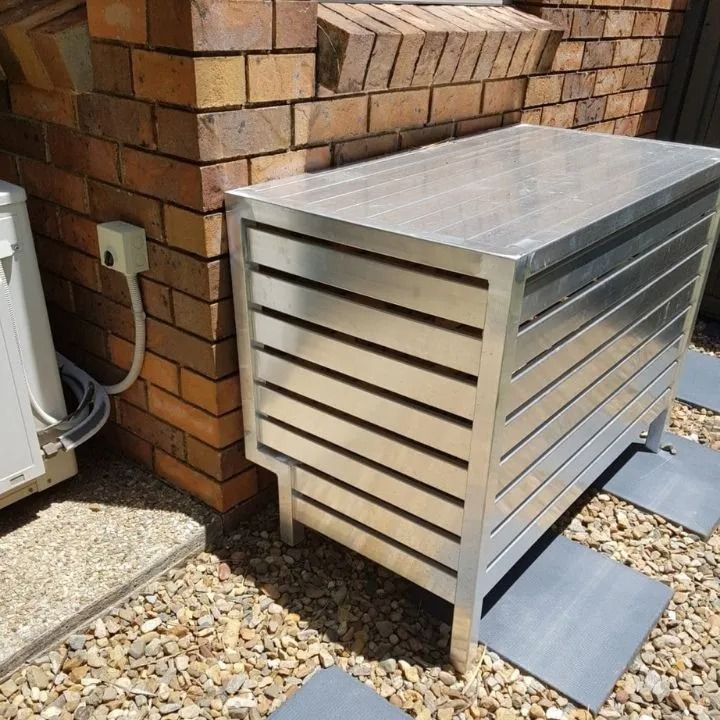
Yes. Salt deposits can hold moisture, creating conditions where localised corrosion may develop, especially around joints, crevices or damaged finishes. The natural oxide layer offers protection, but it doesn’t make every aluminium grade equally suitable for a marine or beachfront setting. A part near the Coomera marine precinct, for instance, may face regular salt spray and wetting, while a sheltered architectural component may have different exposure.
Design details matter as much as the alloy name. Avoid places where salt and water can sit, consider how the part can be rinsed and maintained, and specify compatible fixings. For a broader material comparison, read our guide to
comparing stainless steel and aluminium for fabrication projects.
What Is Marine Grade Aluminium?
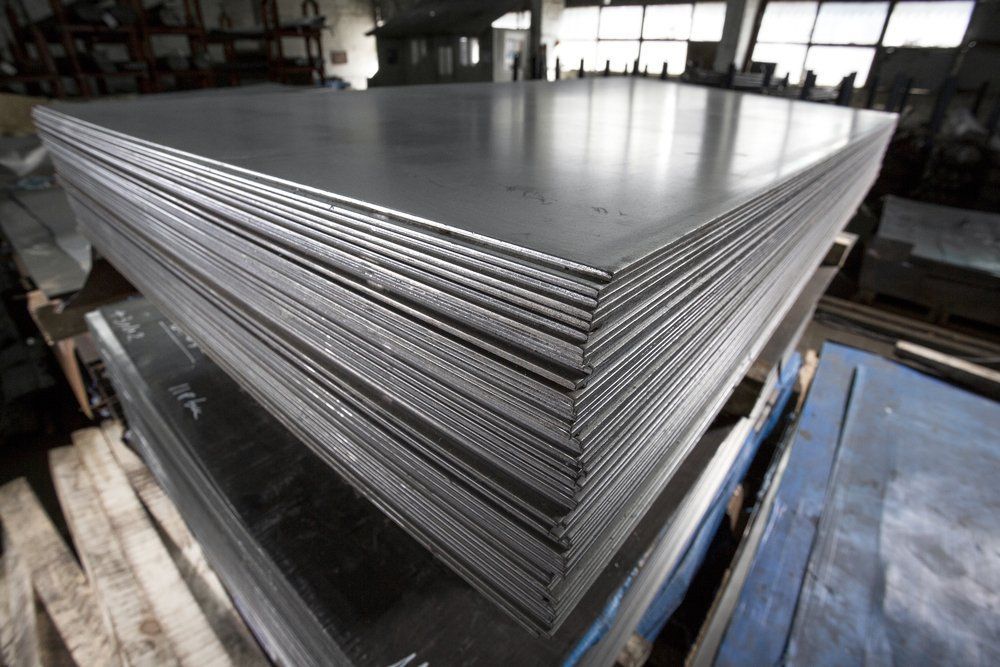
“Marine grade” is a general description, not a single alloy that suits every job. It commonly refers to aluminium grades selected for corrosion resistance and use in marine environments. The right choice still depends on whether the part is plate, sheet or extrusion, how it will be formed and welded, the loads it must handle and whether it will be immersed or exposed to salt spray.
That’s why a quote should identify the alloy rather than simply say “marine aluminium”. 5xxx-series alloys such as 5083 and 5052 are widely used for marine plate and sheet applications, while 6061 can suit structural frames and extrusions. The Australian Aluminium Council lists 5083 for marine applications and 5052 for small boats and sheet metal work.
5083, 5052 or 6061: Which Alloy Suits Your Part?
As a starting point, match the alloy to the form and function of the component:
- 5083: A common choice for welded plate parts and marine structures where strength and corrosion resistance matter.
- 5052: A marine sheet and plate option for formed components, depending on the part’s requirements.
- 6061: Often suited to extrusions and frames where a structural profile is needed; it isn’t a direct substitute for 5xxx-series marine plate in every application.
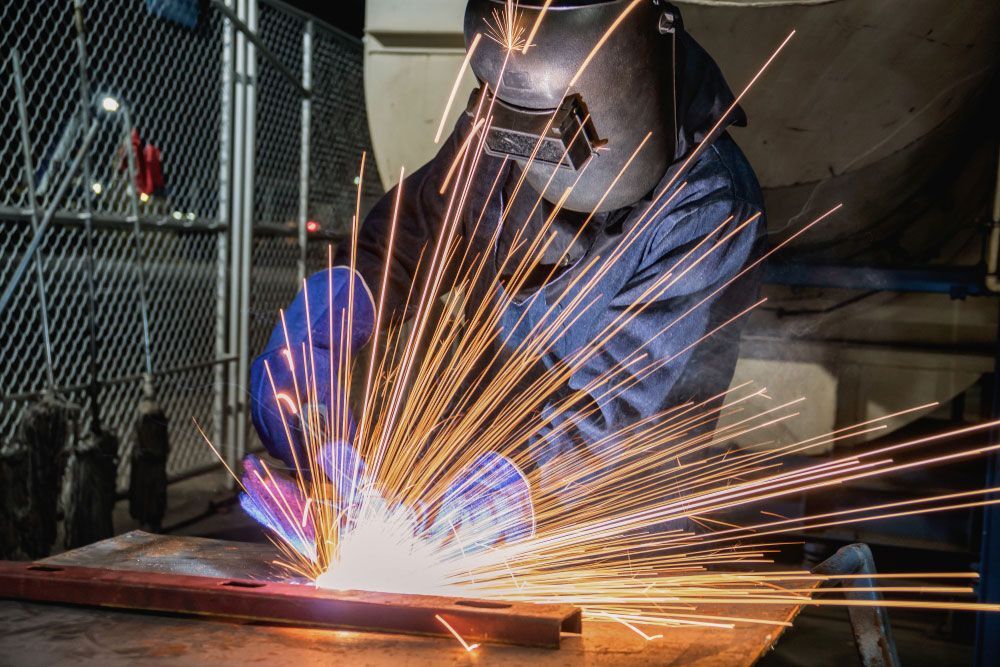
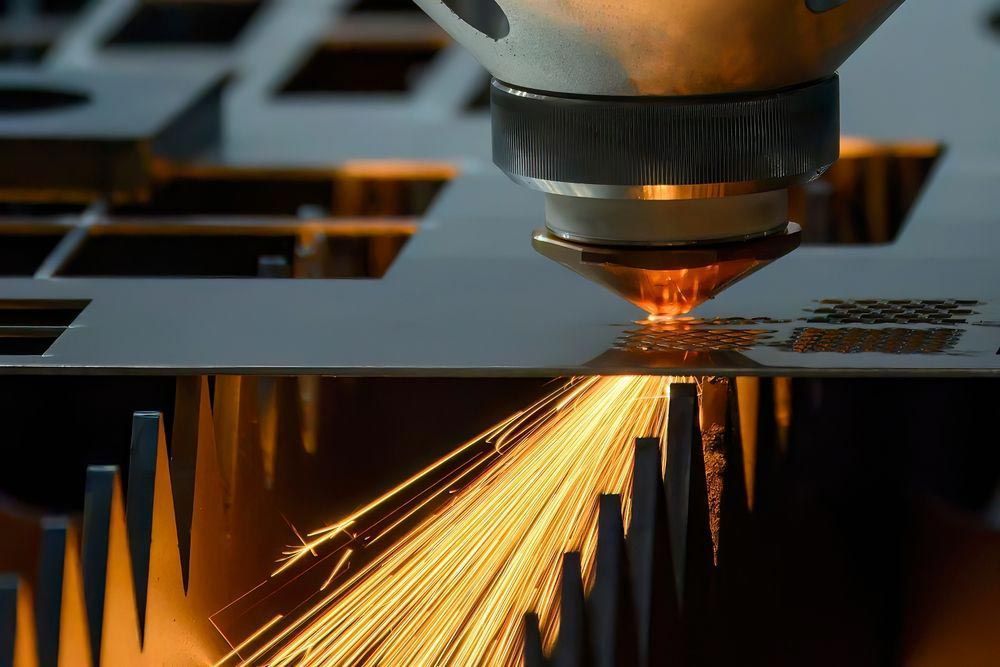
These grades aren’t interchangeable. We select filler wire to suit the alloy being welded, and the fabrication sequence depends on the design. For plate parts, that can include laser cutting before forming and welding. Share the component’s purpose and exposure so we can consider the grade and process together.
Why Do Stainless Fasteners Cause Galvanic Corrosion?
Stainless fasteners can contribute to galvanic corrosion when they touch aluminium and the joint is exposed to conductive moisture, such as salt water or salt-laden air. The aluminium is more likely to corrode at the contact point. The Australian Stainless Steel Development Association notes that salt increases moisture conductivity and that insulating washers or sleeves can prevent electrical contact between dissimilar metals.
That’s why isolation washers are standard practice wherever aluminium meets stainless fasteners in salt spray. The connection also needs to be detailed so the isolating material stays in place and salt water doesn’t collect around the joint. Include brackets and fasteners in the specification, not just the aluminium grade.
Anodised or Powder Coated Aluminium: Which Finish Suits a Beachfront Project?
Both finishes can be appropriate, but they work differently. Anodising builds an oxide layer as part of the aluminium surface; powder coating applies a separate protective and decorative coating. Neither finish compensates for a poorly chosen alloy, incompatible fasteners or a joint that traps salt.
When comparing the options, consider:
- Anodised aluminium: An integral oxide finish with a metallic appearance; suitability depends on the alloy and application.
- Powder coated aluminium: A coloured surface layer; preparation, coating specification and exposure conditions matter.
- Either option: Plan for inspection and cleaning, particularly where salt can build up in sheltered areas or around fixings.
Tell your fabricator whether appearance, colour, abrasion or the ability to inspect the metal is the priority. The finish choice may depend on the alloy and part shape as much as on appearance.
What Should You Specify Before Requesting a Quote?
A clear brief helps the fabricator assess the job and avoid assumptions. Include these details when asking for a quote:
- Part and purpose: What the component does, what it supports and whether it faces spray, salt air or immersion.
- Alloy: State a preferred grade if known, or ask for a recommendation based on the application.
- Fixings and isolation: Identify stainless fasteners and brackets, and where isolation washers or sleeves may be needed.
- Finish: Note whether you’re considering anodised or powder coated aluminium, plus any colour or appearance requirements.
- Drawings and dimensions: Include measurements, sketches or photos of an existing part, along with forming or joining requirements.
At Sheet Metal Improvements, we provide aluminium fabrication, welding and sheet metal fabrication for marine and coastal applications, including
sheet metal fabrication in Tweed Heads. We can discuss the alloy, fixings, isolation and finish as one specification. If your project also needs
welding services include that in your enquiry.
Contact us today to get started.
Frequently Asked Questions
Does aluminium rust in coastal areas?
Aluminium doesn’t form iron rust, but it can corrode in coastal conditions. Choosing an appropriate alloy and managing salt deposits, joints and fixings helps address risks for the specific application.
Is 5083 always better than 6061 for marine work?
No. 5083 is often used for marine plate, while 6061 can suit extrusions and frames. The right grade depends on the part’s form, loads, exposure and fabrication requirements.
Can I use stainless steel bolts with aluminium?
They can be used, but direct contact in the presence of salt and moisture can contribute to galvanic corrosion. Specify suitable isolation washers or sleeves and detail the joint to limit trapped moisture.
Is anodised aluminium better than powder coated aluminium near the beach?
There isn’t one finish that is best for every part. The alloy, shape, exposure, colour requirements and maintenance access all influence the choice, so include those details when requesting a recommendation.