What Is Sheet Metal Fabrication? Process, Materials & Uses

Sheetmetal Improvements & Design • February 17, 2026

Sheet metal fabrication is the process of turning flat metal sheet into finished parts by cutting, bending, joining and finishing it. A fabricator works from a drawing to produce anything from a simple bracket to a complete stainless steel bench.

At Sheetmetal Improvements & Design, every stage happens in-house at our Burleigh Heads workshop, from design support and material selection to laser cutting, CNC bending, TIG and MIG welding and finishing. We fabricate stainless steel, aluminium and mild steel parts to drawings for commercial and industrial clients. If you have a project in mind, see how our team handles sheet metal fabrication on the Gold Coast. This guide covers how the process works, what it makes and what affects cost.

How Does Sheet Metal Fabrication Work?

The sheet metal fabrication process usually follows five stages, and accuracy early on prevents rework later.

  1. Design. A drawing or CAD file sets out dimensions, bend lines, holes and material. The fabricator checks that each bend and hole can actually be made in the chosen thickness.
  2. Cutting. The fabricator cuts flat sheet to the part's outline, called a blank, usually by laser for detailed profiles or by shearing for straight cuts.
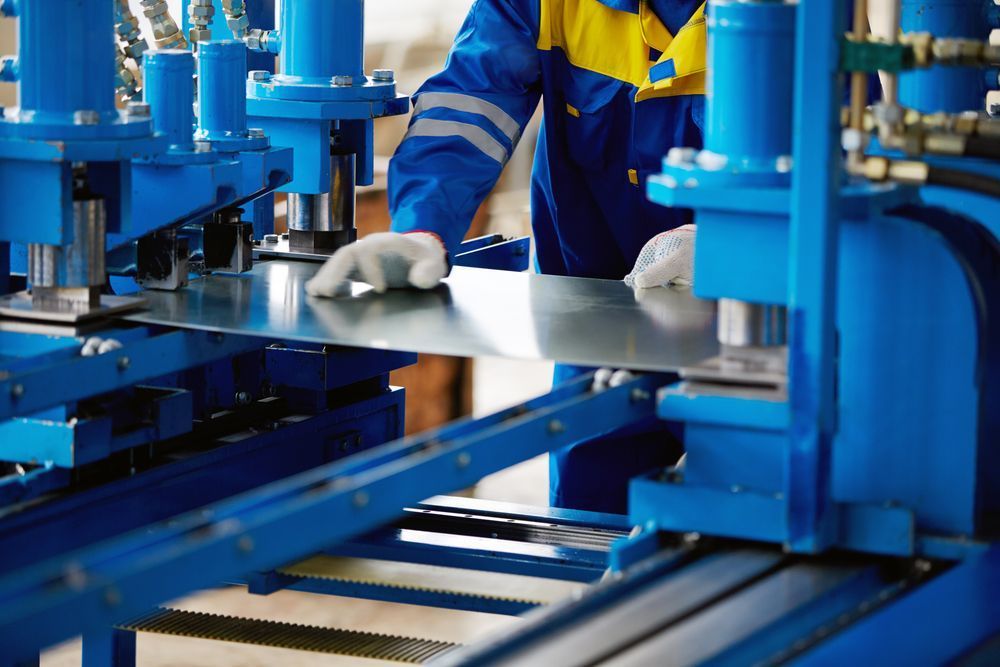
  3. Forming. A press brake bends the blank along set lines to create flanges, channels, trays and boxes.
  4. Joining. Welding, riveting or fastening joins the parts into an assembly, depending on strength, material and appearance.
  5. Finishing. The fabricator cleans the welds, deburrs the edges, then brushes, polishes or powder coats the surfaces.

Our fabrication services are suitable for new builds, upgrades, plant installations and bespoke commercial requirements.

What Can Sheet Metal Fabrication Make?

Sheet metal fabrication can produce almost any part that starts as flat metal, from one-off pieces to repeat production runs. Most of this is custom metal fabrication, with each part made to suit a specific space, load or purpose. Common components include:

  • Structural and architectural metal components
  • Equipment guards, housings and brackets
  • Ducting, hoods and ventilation components
  • Platforms, frames and supports
  • Custom enclosures and assemblies

For example, a cafe fit-out might need a stainless steel splashback with a folded top edge and cut-outs for power points. The fabricator laser cuts the blank, folds the edge on a press brake, then brushes the surface to match the surrounding benches. Our article on custom fabrication vs off-the-shelf components explains when made-to-measure parts make sense.

Which Metals Are Used in Sheet Metal Fabrication?

Stainless steel, aluminium and mild steel cover most sheet metal work. The right choice depends on the environment, the load and the look you need.


Stainless Steel

Stainless steel resists corrosion, cleans easily and holds its finish. Food and marine work often calls for stainless steel fabrication for exactly that reason.


Aluminium

Aluminium suits lightweight fit-outs and transport parts, weighing roughly a third as much as steel. Our guide comparing stainless steel and aluminium covers the trade-offs.

Mild Steel

Mild steel offers strength and value for frames, machinery supports and heavy-duty parts. It rusts if left bare, so it needs paint, galvanising or powder coating.

A Note on Sheet Thickness

Thickness, given in millimetres, affects how a part bends, what it weighs and how it's welded. Thin sheet can warp under welding heat, while thicker sheet needs more bending force. Definitions vary, but material over about 6mm is generally treated as plate rather than sheet.

Cutting, Bending and Welding Methods Explained

Laser cutting, CNC bending and welding do most of the work in a modern fabrication shop.


Laser Cutting Sheet Metal

Laser cutting produces clean, accurate profiles from flat sheet. A focused beam follows a path programmed from the CAD file, so intricate shapes and small holes need minimal edge cleanup.


CNC Bending

CNC bending uses a computer-controlled press brake to fold sheet to set angles. The machine repeats each bend the same way, which keeps parts consistent across a run and makes complex multi-bend forms practical.

TIG vs MIG Welding

TIG welding uses a tungsten electrode and a separate filler rod. It's slower but precise and neat, suiting thin sheet, stainless steel and aluminium where appearance matters.

MIG welding feeds wire continuously through the torch. It's faster and suits longer welds on thicker mild steel. Many jobs use both, with TIG on visible joins and MIG on structural ones.

Which Industries Use Sheet Metal Fabrication?

Almost any industry that needs durable, made-to-measure metal parts relies on sheet metal fabrication. Each sector brings its own priorities, whether that's hygiene, corrosion resistance or load capacity.

Industries that commonly use fabricated components include:


  • Commercial construction and fit-outs
  • Industrial manufacturing and processing
  • Hospitality and food production
  • Marine and coastal applications
  • Infrastructure and utilities
  • Warehousing and logistics


A commercial kitchen might need stainless steel benches and exhaust canopies, while a warehouse is more likely to need equipment guards, brackets and platform supports in mild steel.

What Affects the Cost of Sheet Metal Fabrication?

Sheet metal fabrication cost comes down to six main factors. Understanding them helps you set a realistic budget and see where a design change could save money.


  • Material. Stainless steel and aluminium generally cost more than mild steel, and the grade you choose shifts the price further.
  • Thickness. Thicker sheet costs more to buy and takes longer to cut, bend and weld.
  • Complexity. Every extra cut, bend, weld and fine detail adds machine and labour time.
  • Quantity. Fabricators spread programming and setup across the whole run, so the cost per part usually falls as quantities rise.
  • Finish. Grinding, polishing, brushing and powder coating each add a step to the job.
  • Drawings. Complete, accurate drawings reduce design time and the risk of costly rework.

What to Prepare Before Requesting a Fabrication Quote

A clear brief helps a fabricator quote accurately. Before you get in touch, gather:


  • Drawings: CAD files, PDFs or dimensioned sketches of each part
  • Dimensions: especially measurements that are critical for fit
  • Material: your preferred metal and thickness, if known
  • Quantities: what you need now and any likely repeat orders
  • Finish: brushed, polished, powder coated or left raw
  • Environment: indoors, outdoors, salt air or food contact


Not sure about material or finish yet? That's what design support is for. When you're ready, get in touch and our team will review your drawings and recommend the most practical way to make your parts.

FAQs

  • What is the difference between sheet metal fabrication and welding?

    Welding is one step within sheet metal fabrication, not an alternative to it. Fabrication covers cutting, forming, joining and finishing, while welding is just one way to join parts. Some fabricated parts are folded or fastened and need no welding at all.

  • How thick can sheet metal be before it is called plate?

    Metal thicker than about 6mm is generally called plate, though definitions vary between suppliers. Anything thinner is usually treated as sheet. Thickness affects which cutting, bending and welding methods suit the job.

  • What drawings or file types does a fabricator need?

    DXF or DWG files suit flat profiles, ideally with a PDF drawing showing dimensions, bends and finish. STEP files help with complex 3D assemblies. A dimensioned sketch is often enough to start, as the fabricator can help develop it into a workable drawing.

  • How long does a custom sheet metal job usually take?

    Timing depends on complexity, quantity, finish and how complete the drawings are. A simple folded bracket moves much faster than a welded, powder-coated assembly. Ask for an estimated timeframe when you request your quote.

  • Can fabricated sheet metal parts be powder coated?

    Yes. Mild steel and aluminium parts are commonly powder coated for protection and colour, after cleaning and preparation so the coating bonds properly. Stainless steel is usually brushed or polished instead, though it can be coated if the design calls for colour.

Worker Fabricating For a Project With Sheet Metal - Sheetmetal Improvements & Design, Gold Coast QLD
By Sheetmetal Improvements & Design • November 19, 2026
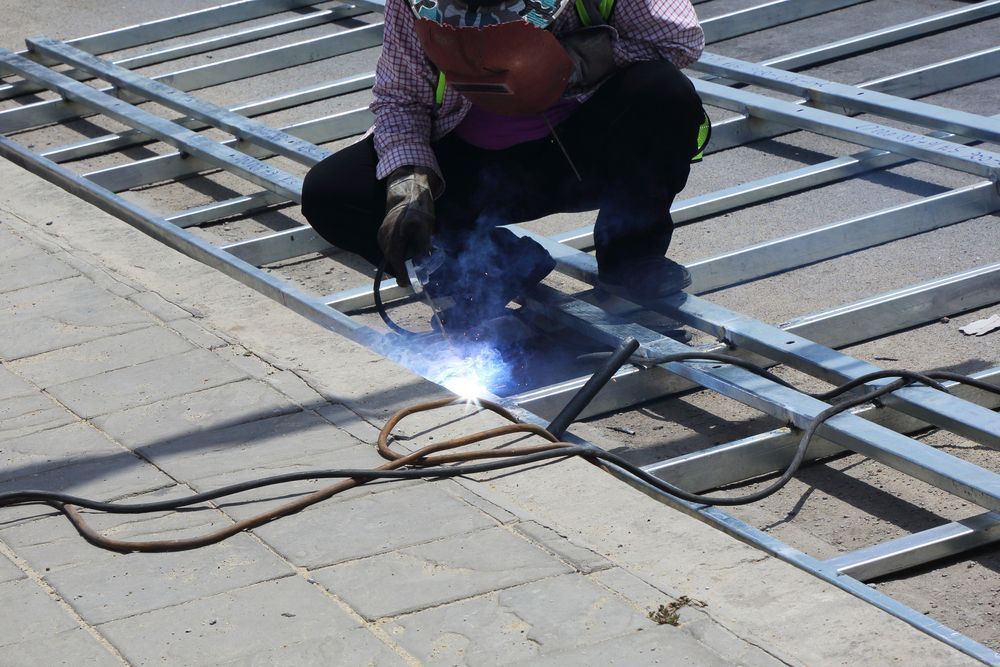
Choosing marine grade aluminium for a Gold Coast project? Compare 5083, 5052 and 6061, fastener isolation and finish options before requesting a quote.
Welding On The Gold Coast
By Sheetmetal Improvements & Design • October 8, 2026
Need expert welding on the Gold Coast? Discover why aluminium requires a specialist and what to expect from our team. Contact us for a quote today.
Stainless Steel Fabrication Gold Coast Custom Metalwork Solutions
By Sheetmetal Improvements & Design • August 25, 2026
Choose the right grade for your project with expert guidance on stainless steel fabrication on the Gold Coast. Get advice today.
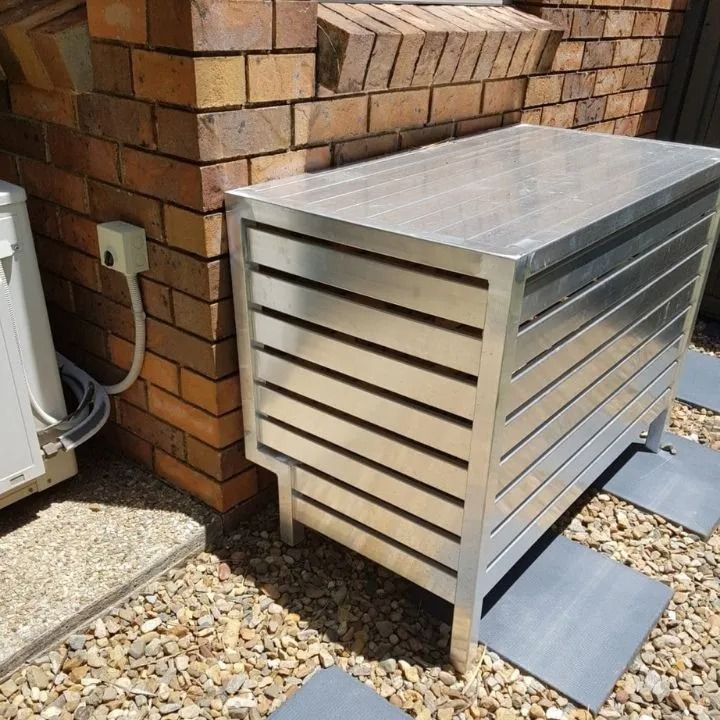
Stainless Steel Fabrication on the Gold Coast
By Sheetmetal Improvements & Design • July 21, 2026
Protect commercial kitchen surfaces with expert stainless steel maintenance on the Gold Coast. Keep them looking their best. Contact us today.
Metal Fabrication in A Factory
By Sheetmetal Improvements & Design • June 18, 2026
Compare stainless steel vs aluminium for metal fabrication on the Gold Coast. Learn the best choice for your project. Contact us today.
Welder Working, Sparks Flying Dark Setting — Sheetmetal Improvements & Design in Burleigh Heads, QLD
By Sheetmetal Improvements & Design • January 6, 2026
Find out which emergency repairs can be fixed same-day for welding on the Gold Coast. Get expert advice and fast solutions when you need them most.
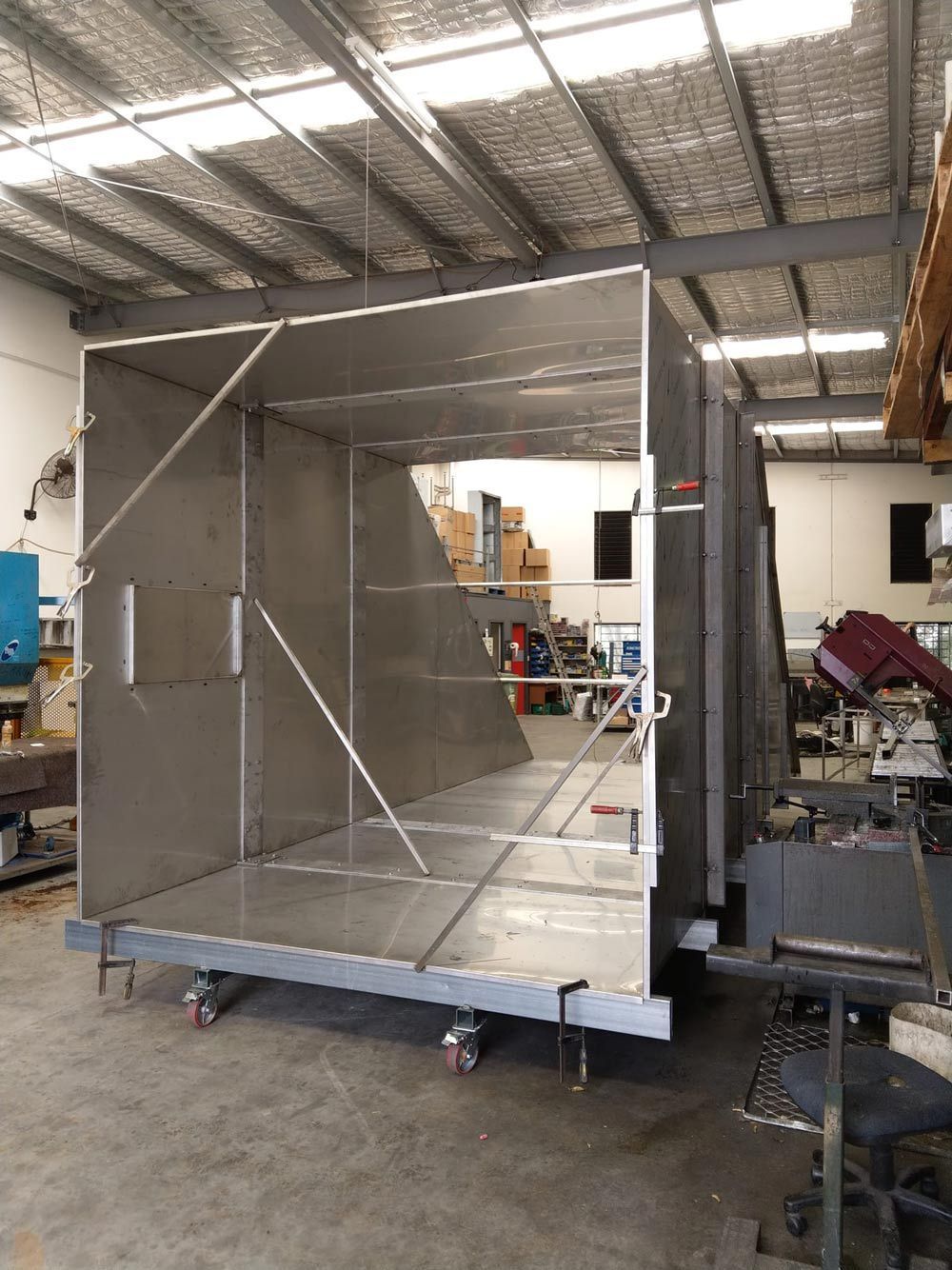
Metal Box Structure on Wheels — Sheetmetal Improvements & Design in Burleigh Heads, QLD
By Sheetmetal Improvements & Design • November 21, 2025
Choose custom sheet metal fabrication on the Gold Coast for better fit, strength and design. Discover how custom sheet metal improves your project.
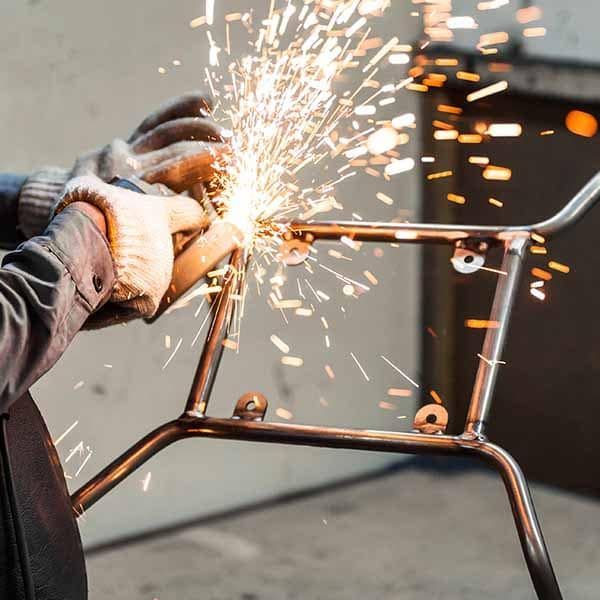
Person Grinding Metal Frame — Sheetmetal Improvements & Design in Burleigh Heads, QLD
By Sheetmetal Improvements & Design • September 10, 2025
Discover mobile welding benefits for construction projects. Improve efficiency, ensure durability and save time with expert welding solutions.
Plate of Fried Food With Dipping Sauce — Sheetmetal Improvements & Design in Burleigh Heads, QLD
By Sheetmetal Improvements & Design • August 7, 2025
In this blog, we’ll explore why stainless steel kitchens remain the go-to for chefs, fit-out specialists, and food service operators on the Gold Coast.
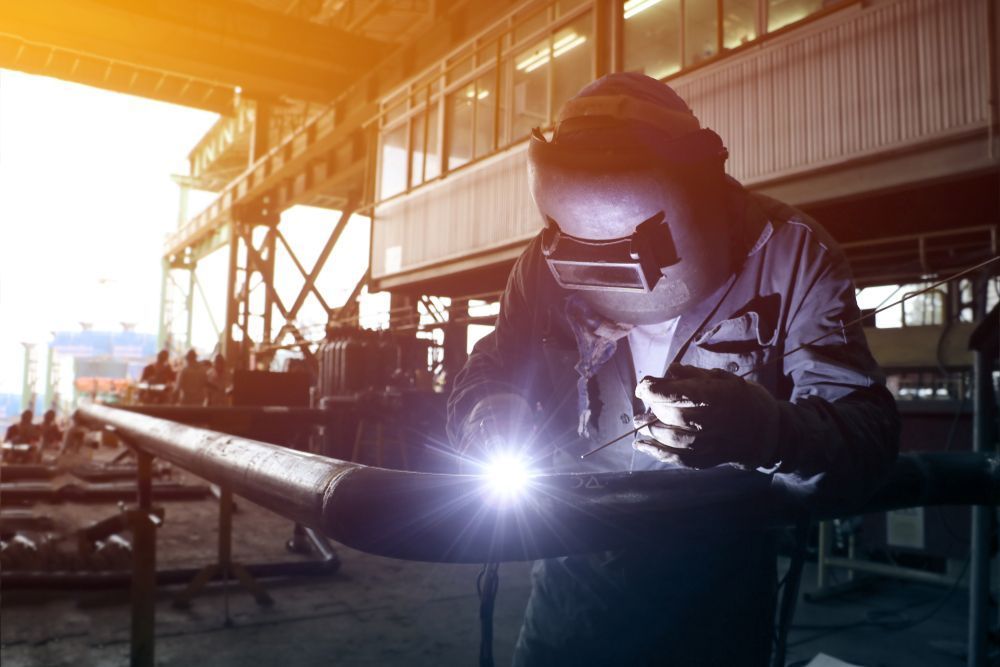
Welder in Protective Gear — Sheetmetal Improvements & Design in Burleigh Heads, QLD
By Sheetmetal Improvements & Design • July 28, 2025
Hire a certified welder to ensure safety, precision and quality for your project. Discover the benefits and make the right choice today.
Show More